Why Self Checkout Began
The concept of self-checkout was born in the early 1980s. Retailers were facing rising labour costs and consumer demand for faster service led to increased pressure to innovate. Early pilots focused on letting customers scan and pay for groceries themselves, freeing up staff for other tasks.
Key early motivations included:
- Shorter queues
- Reducing staff needed for routine scanning
- Lower operating costs
- Increasing throughput at peak times
The First Generation: Basic Scanning and Payments Options
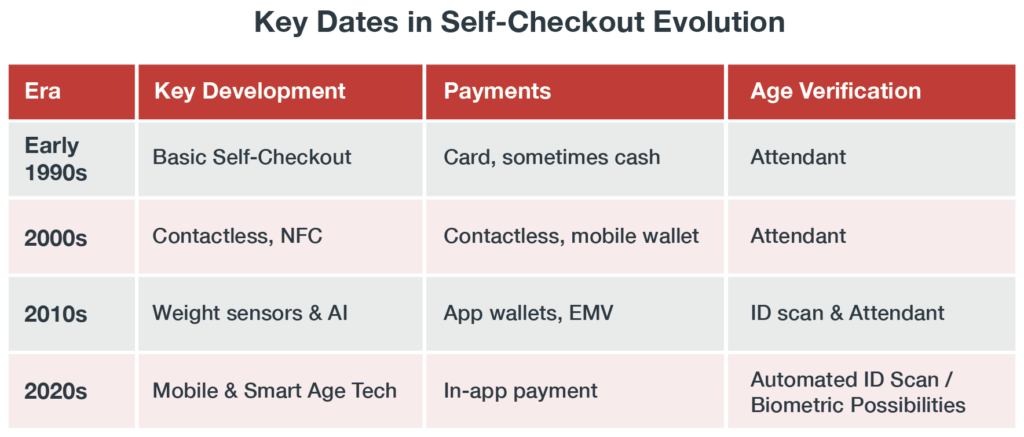
In both the US and Europe, the first self-checkout terminals started to emerge in the late 1980s to early 1990s. They allowed customers to scan and pay for items without staff assistance and included:
- Barcode scanning
- Bagging area
- Fixed payment terminal
- Payment options including credit/debit cards and cash
European supermarkets like Tesco and Carrefour were early adopters in the mid- to late-1990s, with the big US retailers like Walmart and Kroger following soon after.
The Expansion of Digital Payment Options
In the 2000s as consumer expectations evolved, self-checkout machines gradually expanded the scope of digital payment methods available including.
- Chip and pin
- Contactless/NFC (PIN free)
- Banking apps using QR codes
- Mobile wallets (Samsung Pay, Google Wallet, Apple Pay)
- Integration with loyalty programs
Europe adopted contactless faster than the US, and countries like the UK and Scandinavia bypassed cash as a payment option entirely on some SCO tills. Post COVID times enhanced the appeal for digital wallets or contactless methods even further.
Smart Features: Weight Sensors & AI for Loss Prevention
When basic scanning and payment choice was reliable, retailers started to use more technology to make the SCO more robust and to help them reduce shrinkage including:
- Weight sensors to verify that the item in the bagged area matches the scanned item
- AI cameras to detect unscanned products
- Automating alerts when attendant intervention is required
- Integration with stock and inventory systems
Age-Restricted Purchases: Challenges and Innovation
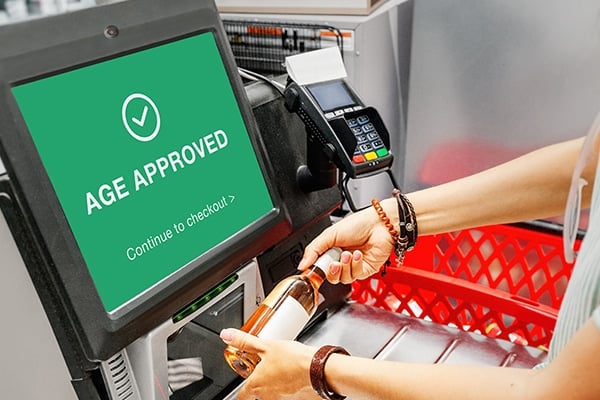
Performing age-verification for restricted items like alcohol, cigarettes and vapes can make the SCO concept challenging. In some regions retailers are not legally allowed to sell these products without physically checking ifa buyer is of age so automating this process at an unmanned machine is complex.
Traditional Approach
Originally, self-checkout systems required:
- Intervention from a store attendant to verify ID
- Manual override after checking a physical piece of identification
This approach is used in many retail setting globally to ensure compliance with local legislation frameworks, for example it is not legal to automate the sale of alcohol in the UK. However, it defeats the “self” in self-checkout and can create frustration and delays especially for those who are clearly overage.
Smart Automatic Age Verification
To streamline compliance in countries where automating age verification is allowed, technology has evolved to include:
Integrated ID scanning
Some of the latest self-checkouts machines can:
- Prompt shoppers to scan a government ID, passport, drivers license, national ID etc. when a restricted item is detected
- Use OCR (Optical Character Recognition) to read a customer’s date of birth
- Reference and cross-check with age limits
This can happen without staff being present, depending on the local law.
Biometric Facial Recognition
In some counties, especially in Europe, SCO systems may:
- Use AI-powered facial recognition to estimate age
- Face match and compare the image of a customer to a scanned ID (often tightly regulated due to privacy concerns)
Payments & Age Verification Linked to Apps
Some of the big retailers have started to link the self-checkout with apps for both payment and age checks.
- Shoppers can scan inside the app and confirm their age
- Payment is made via their stored details and retail hardware is skipped completely
This follows Europe’s widespread tap-and-go culture, embedding loyalty and identity checks.
What's Next for the future of self-checkouts?
The future of the self-checkout is likely to be driven by more app-based experiences such as in-app scanning and payments. The increasing use of AI will also continue to be a key feature for certain functions such as flagging age-restricted products. Privacy-preserving age checks (without storing any personal biometric data) will be vital along with the increasing need for retailers to standardise tech whilst ensuring different privacy and ID laws are adhered to.
What is Innovative Technology's Approach to Age Verification?
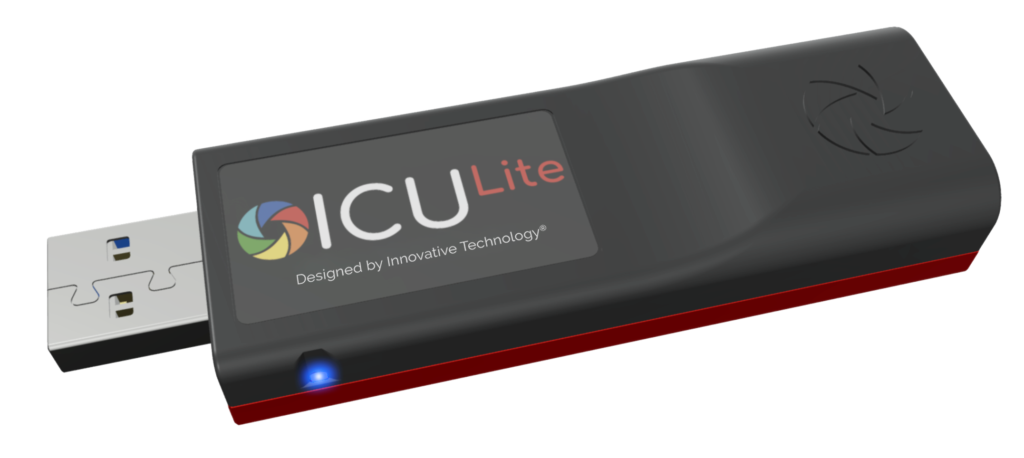
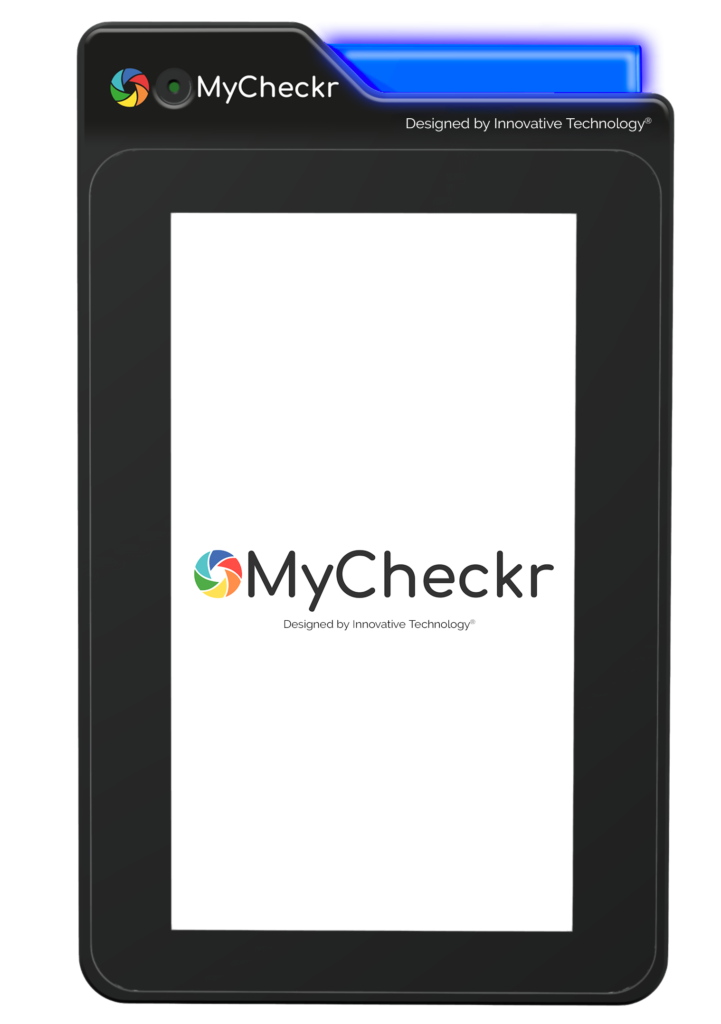
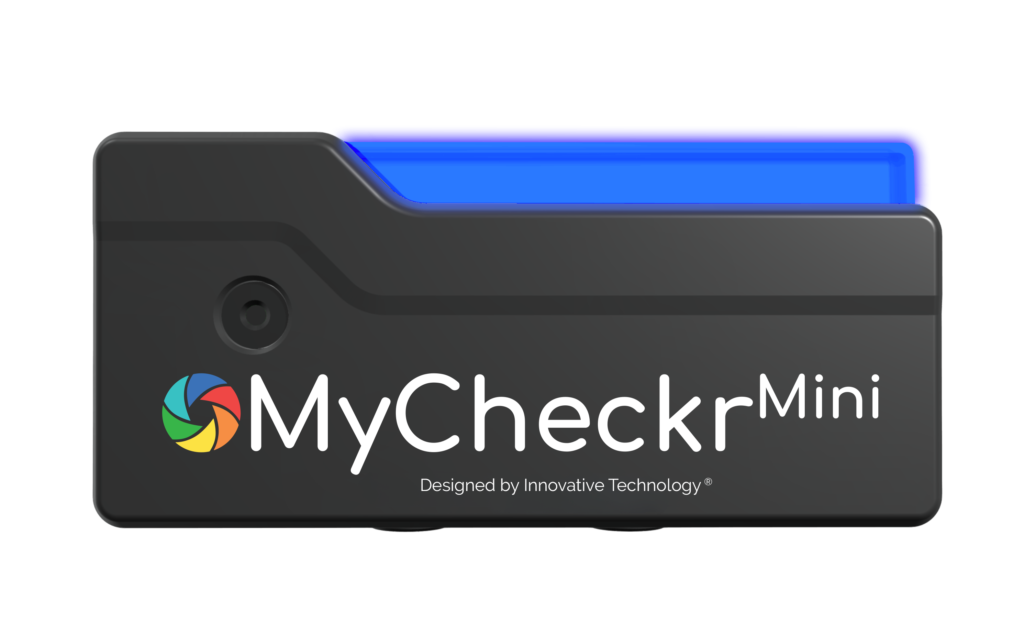
At Innovative Technology we offer a range of AI-powered facial age estimation solutions. For SCO operations, there are several options available which are being used in a variety of stores globally – ICU Lite, MyCheckr and MyCheckrMini
Using this USB size device our age estimation technology can be fully integrated with existing POS systems to automate the age check process. Integration with self-checkouts or vending machines is made easy and communication with the host machine is made via a simple API with immediate results. All processing is performed on-device so does not slow down or interfere with SCO processing power.
For those retailers who prefer a standalone device, MyCheckr is ideal with a screen and LED to show results. The user-friendly interface turns green if the age check is passed and red if a potential underage customer is detected, providing a non-intrusive, seamless experience for customers. A consent screen can also be activated for those retailers who choose to ask for consent prior to the age check taking place.
For a standalone solution without a screen, the Mini is a compact and discreet solution. It works in the same way as the MyCheckr but just uses the LED to show green (overage) and red (underage) results.
Our estimation technology is completely anonymous, fast, cost effective and does not require any interaction – creating a frictionless self-checkout experience for the customer.
Our approach to ensuring payment diversity
Despite the rise of digital transactions worldwide, cash still plays an essential role in retail and is still the preferred method of payment for many customers, businesses and countries. Efficient cash management is a necessity rather than an option but beyond cost savings, cash automation is driven by the need to improve transaction speed and customer throughput. Long checkout queues can negatively impact customer satisfaction and sales. By simplifying and streamlining cash handling, retailers can process transactions faster, reduce wait times, and create a more seamless customer shopping experience.
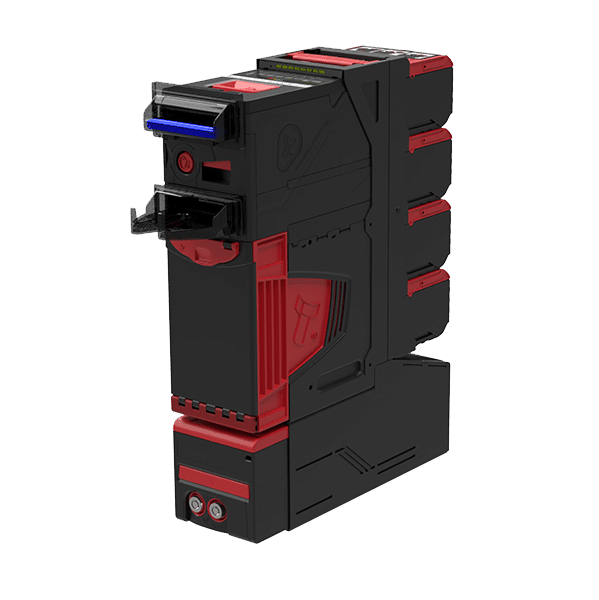
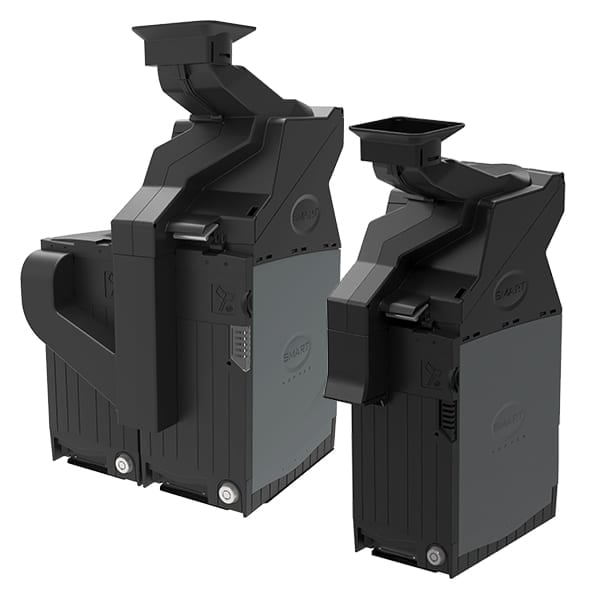
Our SCO cash validation and recycling solutions provide high volume mixed-note and coin validation and recycling ensuring change is always available, machines are continually operational and also help eradicate fraudulent payments.
NV4000 provides fast, high volume mixed denomination note recycling, ideal for retail applications such as self-checkouts offering a large dispensing capacity of up to 680* notes of 5 different denominations.
The SMART Coin System is a bulk coin validator, mixed coin hopper and recycler in one, operating at a market leading 12 coins per second or Twin SMART Coin System for double the capacity coin recycling.